
Eczema Awareness Month: Understanding, Managing, and Soothing the Itch
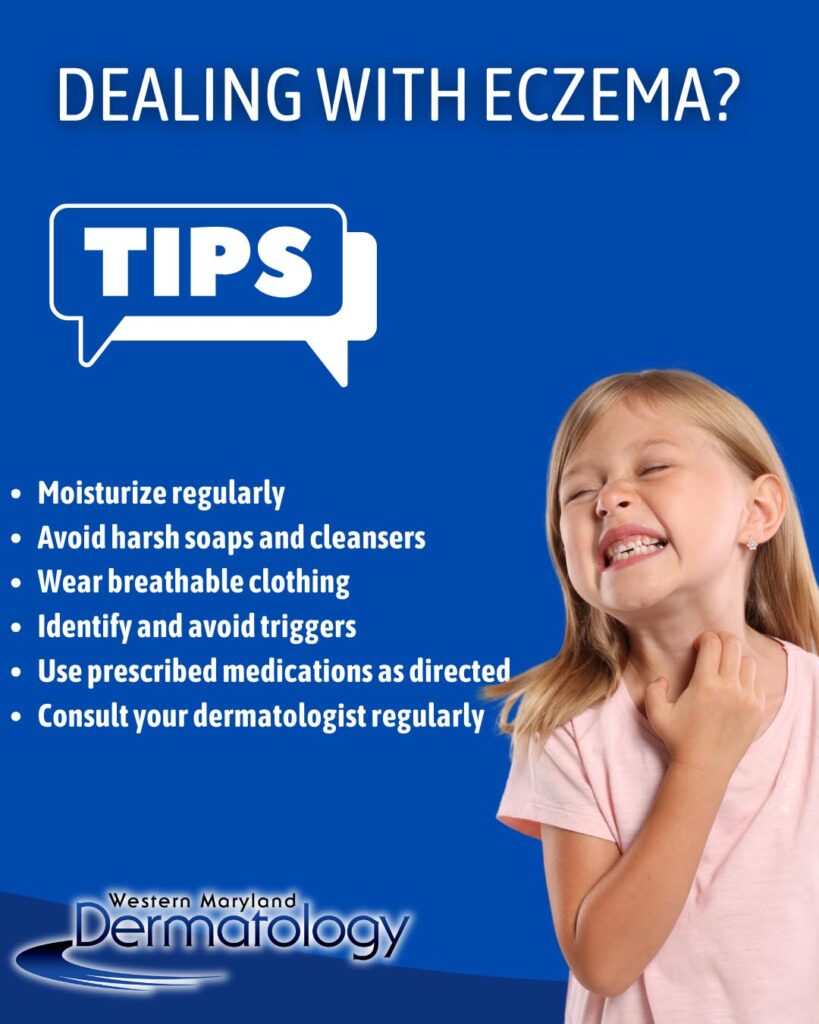
Every October, we recognize Eczema Awareness Month—a time dedicated to raising awareness about one of the most common yet misunderstood skin conditions. Affecting over 30 million Americans, eczema can impact anyone, from infants to adults, and can range from mild irritation to persistent discomfort that affects daily life.
What Is Eczema?
Eczema, also known as atopic dermatitis, is a chronic skin condition that causes inflammation, dryness, and intense itching. It often appears as red, scaly patches that may crack or ooze. Common areas include the hands, elbows, knees, face, and neck—but it can occur anywhere on the body.
While the exact cause isn’t fully understood, eczema is believed to be linked to an overactive immune response combined with a weakened skin barrier. Genetics, environmental triggers, and stress can all play a role.
Common Triggers
Managing eczema starts with understanding what can make it worse. Common triggers include:
- Dry air or cold weather
- Fragrances and harsh soaps
- Certain fabrics like wool
- Stress or lack of sleep
- Food sensitivities or allergens
Identifying your personal triggers can help prevent flare-ups and make symptoms more manageable.
Caring for Eczema-Prone Skin
While there’s no cure for eczema, proper care can greatly reduce irritation and improve skin health. Dermatologists recommend:
- Moisturize often: Apply a fragrance-free cream or ointment several times a day, especially after bathing.
- Gentle cleansing: Use mild, fragrance-free soaps or cleansers.
- Short, lukewarm showers: Hot water can dry out the skin and worsen symptoms.
- Avoid scratching: Try to pat the area instead or use a cold compress to ease the itch.
- Stay consistent: Regular care—even when symptoms seem mild—can help prevent flare-ups.
When to See a Dermatologist
If your eczema is persistent, painful, or interfering with daily life, it may be time to seek professional care. A dermatologist can:
- Identify triggers through allergy or patch testing
- Prescribe topical or oral treatments to control inflammation
- Offer guidance on skincare routines tailored to your skin’s needs
This October, Let’s Talk About Eczema Eczema Awareness Month is more than just education—it’s about compassion and community. Living with eczema can affect confidence and comfort, but you’re not alone. With the right treatment plan and daily care, clearer, calmer skin is possible.